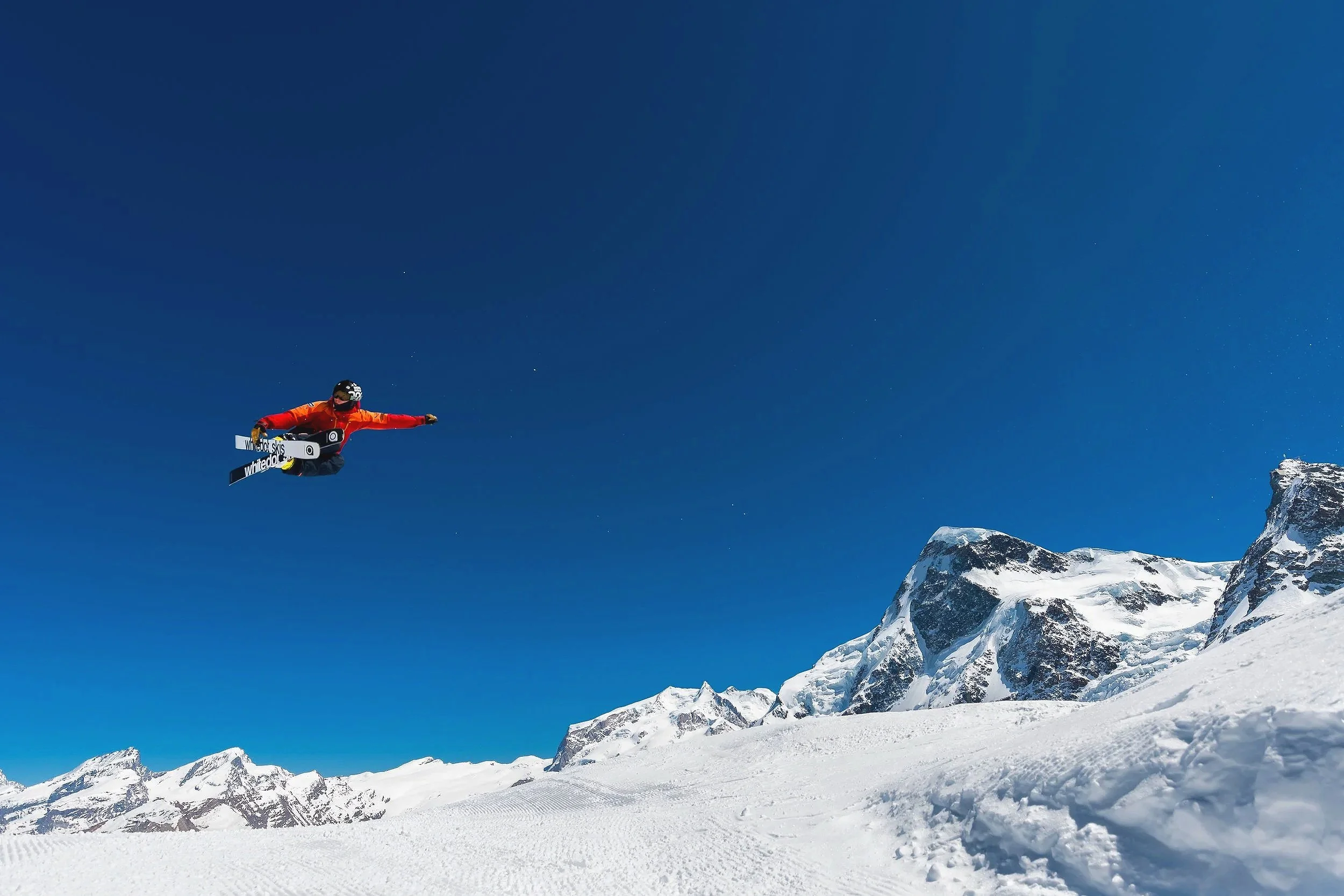
TO SKI LIKE AN ATHLETE YOU NEED TO TRAIN LIKE ONE
our method
we reverse-engineer what makes a good skier into a program that meets you where you are
general strength, fitness comes first
Even world cup athletes focus on general strength and fitness before getting into anything that’s ‘skiing specific’, and even then it’s only a small part of their training. Without ski boots and a deflecting ski, it’s near impossible to truly replicate skiing. Your pre-season training needs to prepare you for the demands of an on-snow training week, not replicate skiing.
we focus on how you’re moving, not just what you’re doing
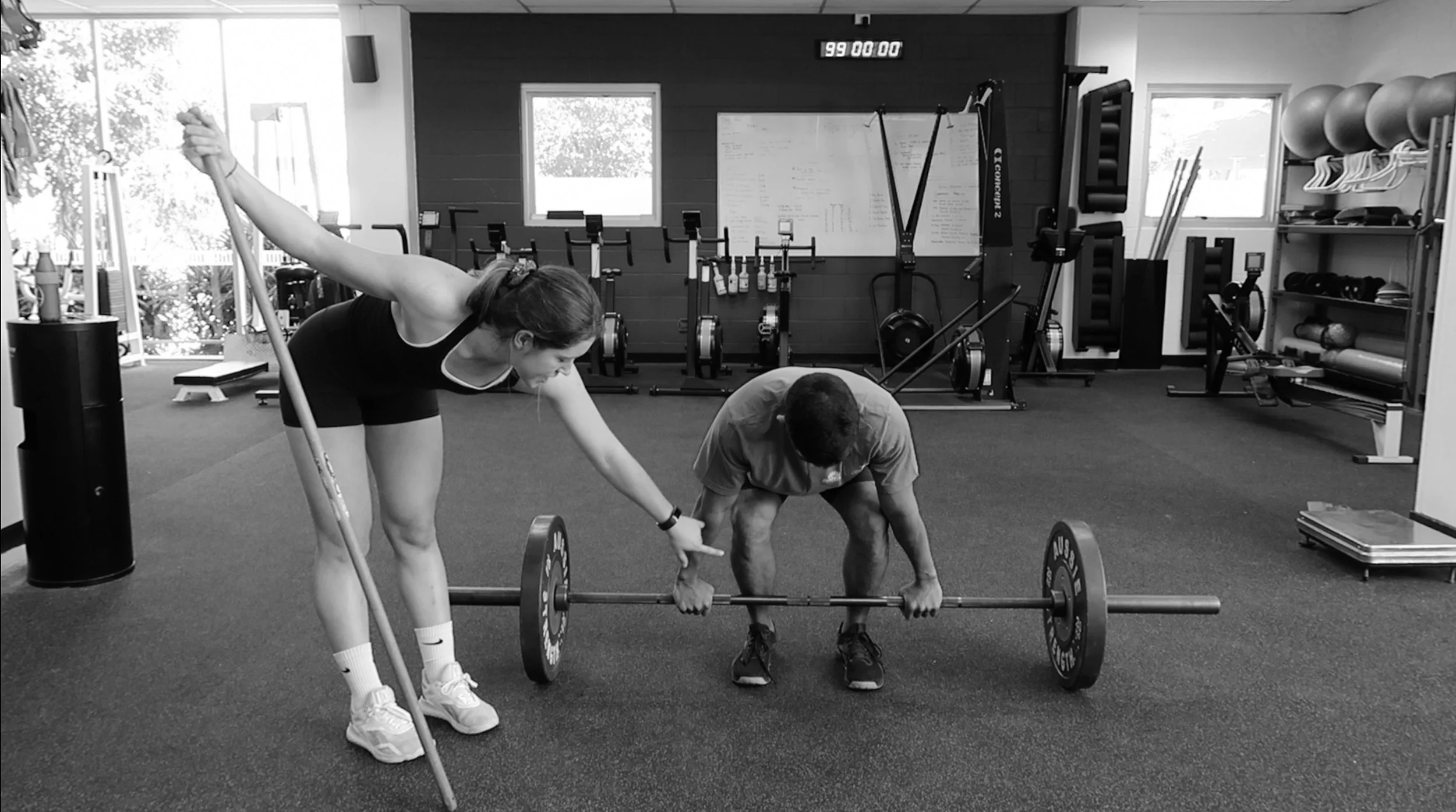
Video feedback allows us to screen your general movement, give appropriate technical feedback, and tailor your program to any gaps. Building well-rounded human and athletic movement skills gives you a wider toolbox of strong skills (including rotation or landing mechanics), that you can apply to your on-snow training.
eccentric leg strength & landing skills are essential
Standing on the outside ski requires heavy single-leg force absorption. Most general training only focuses on force production, which is not entirely the same. By including specific landing skills in your plyometric training, we can match the force profile of skiing, preparing you for the large forces in GS and bumps skiing.
conditioning training specific to the ski week
We build your conditioning training around the demands of a training week, not just a training run. That looks like quadriceps endurance so you can keep skiing hard at the end of a run (think repeated sprint efforts on a bike). And steady-state fitness to support your recovery between training days (think long rides & active days).
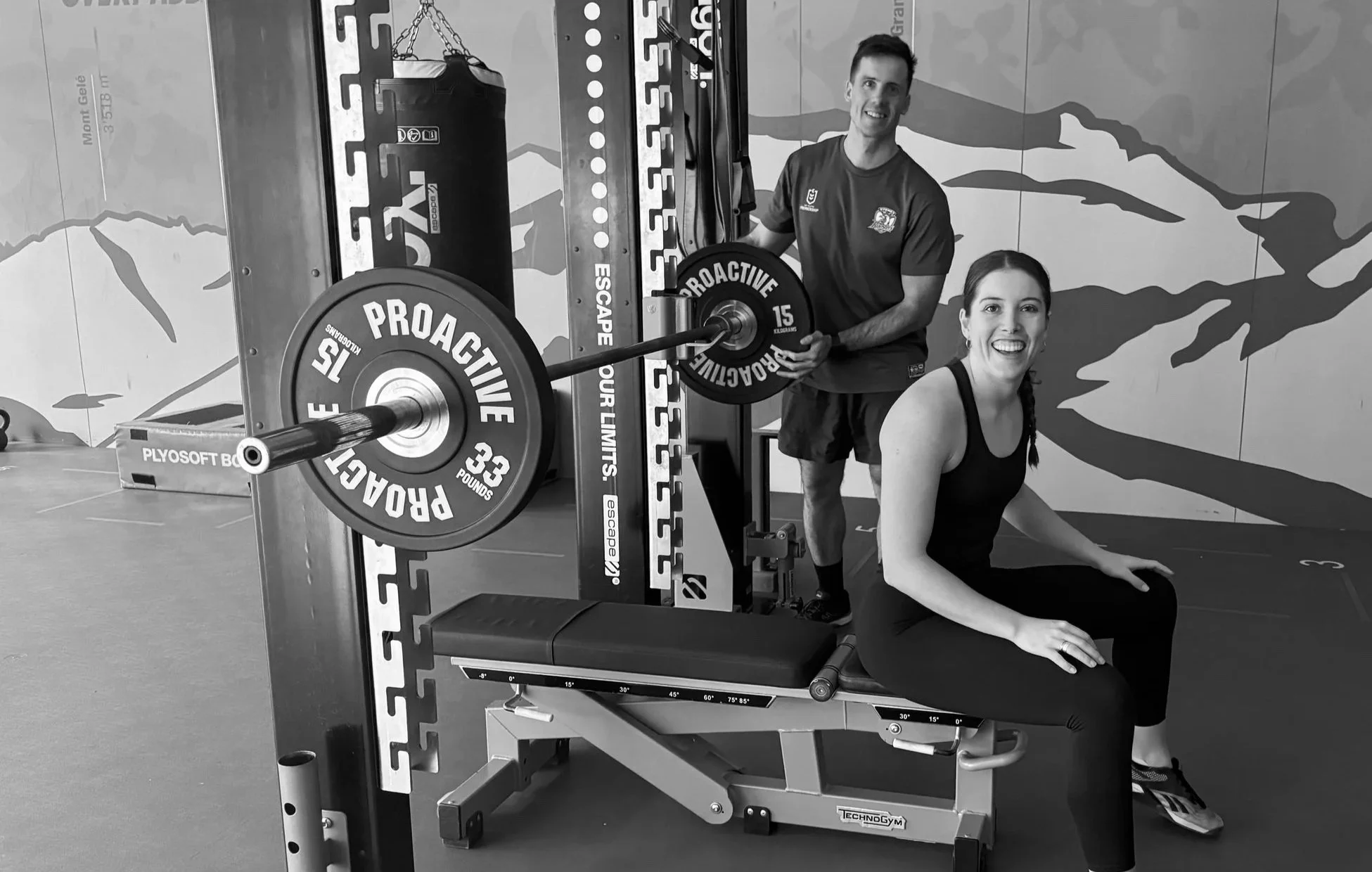
strength training increases sports performance and reduces acute and overuse injuries by up to 66%
the big problems with most pre-season training
skiing is a strength sport
Most skiers skip strength training entirely; however, we have data showing the outside leg needs to be able to push against two times your bodyweight in a GS turn. Your body will avoid standing in the right place if you can’t handle those forces.
balance training is not that helpful
Poor balance or core strength are often blamed when we can’t stay in a rut line or get thrown out of our short turns. Just because we say ‘stay balanced’ in ski coaching doesn’t automatically mean that’s the physical quality we need to be training. If you hit a bump, and your legs can't absorb the force, you will get knocked over every single time. Leg strength and whole-body strength are usually the missing pieces.
advice for ski instructors & trainees is limited
Online fitness is full of overcomplicated ‘athletic’ programs or bodybuilding advice. Reliable, measurable athletic development is often hard to find because it doesn’t go viral. The demands of a ski instructor are also different to that of a punter, which is what most ski fitness blogs are geared towards.
skiing fitness requires more than running
Running is popular amongst skiers, but it shouldn’t be the only piece in your fitness strategy. Running also places a lot of load on the foot and ankle, while ski boots immobilise them, and the combination can contribute to ankle injuries when everyone starts trail running at the end of the season.
we’ve presented for
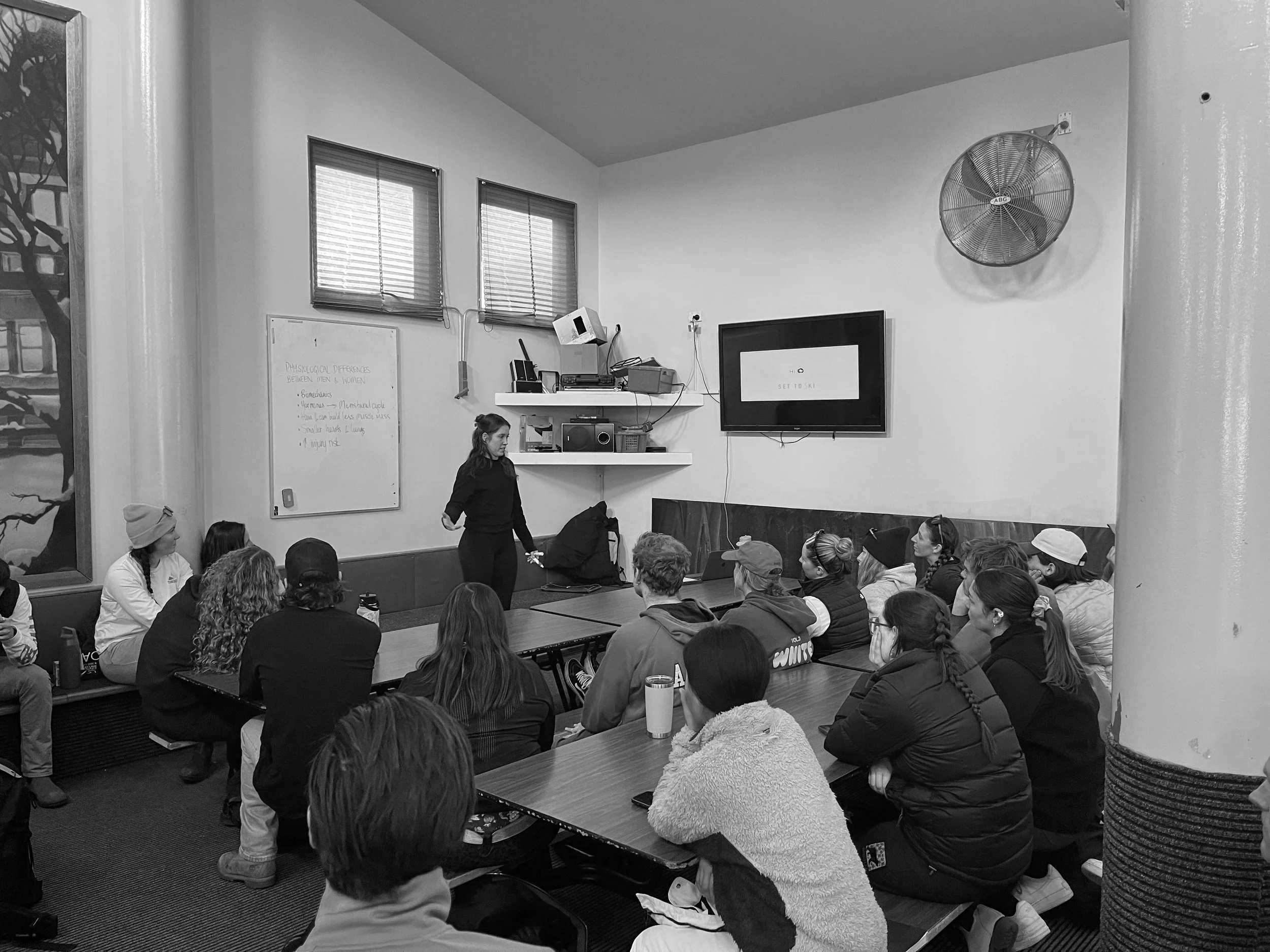
Thredbo Ski Instructors
Thredbo, Australia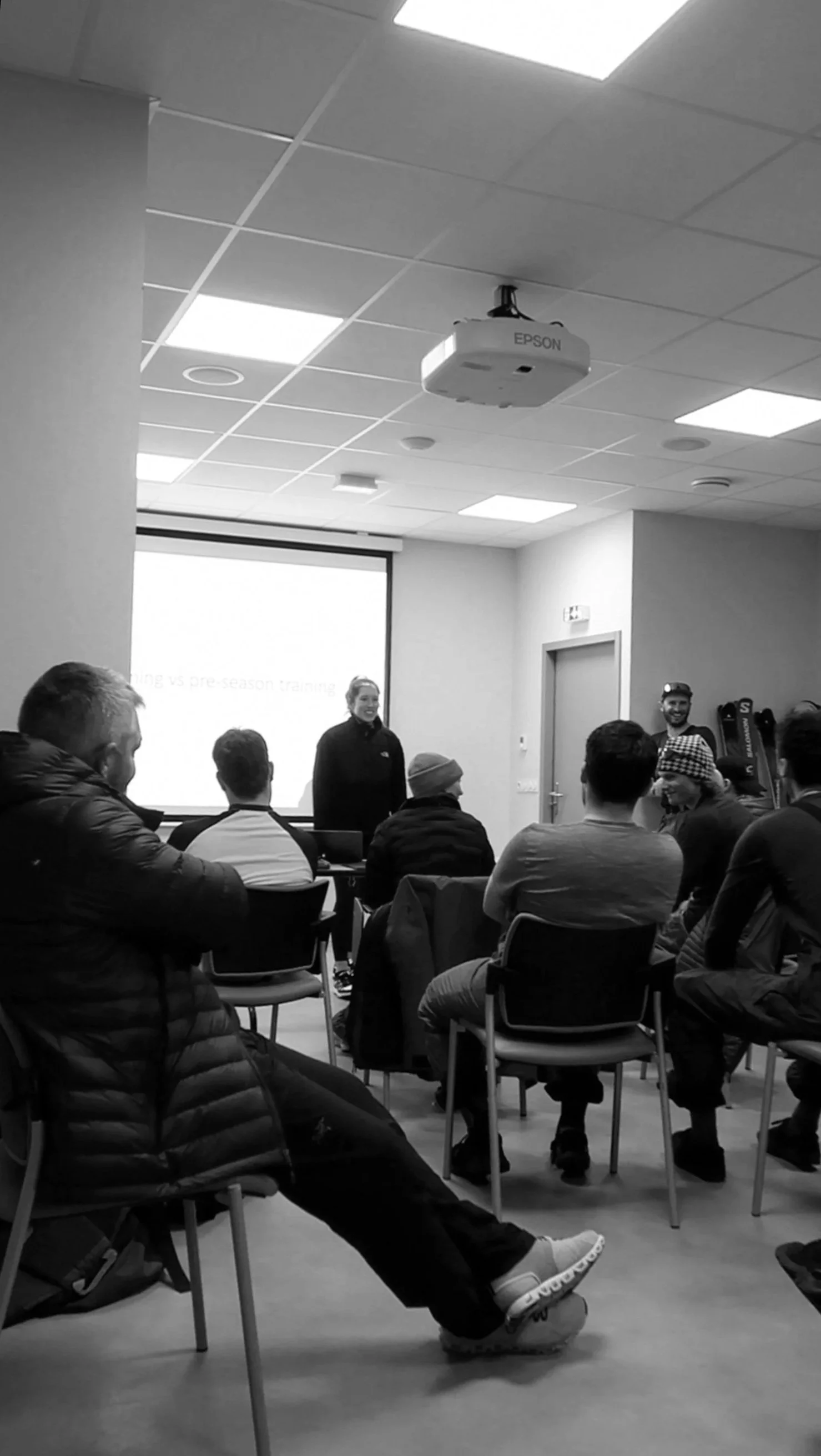
ICE Ski Instructor Trainees
Val D'Isere, France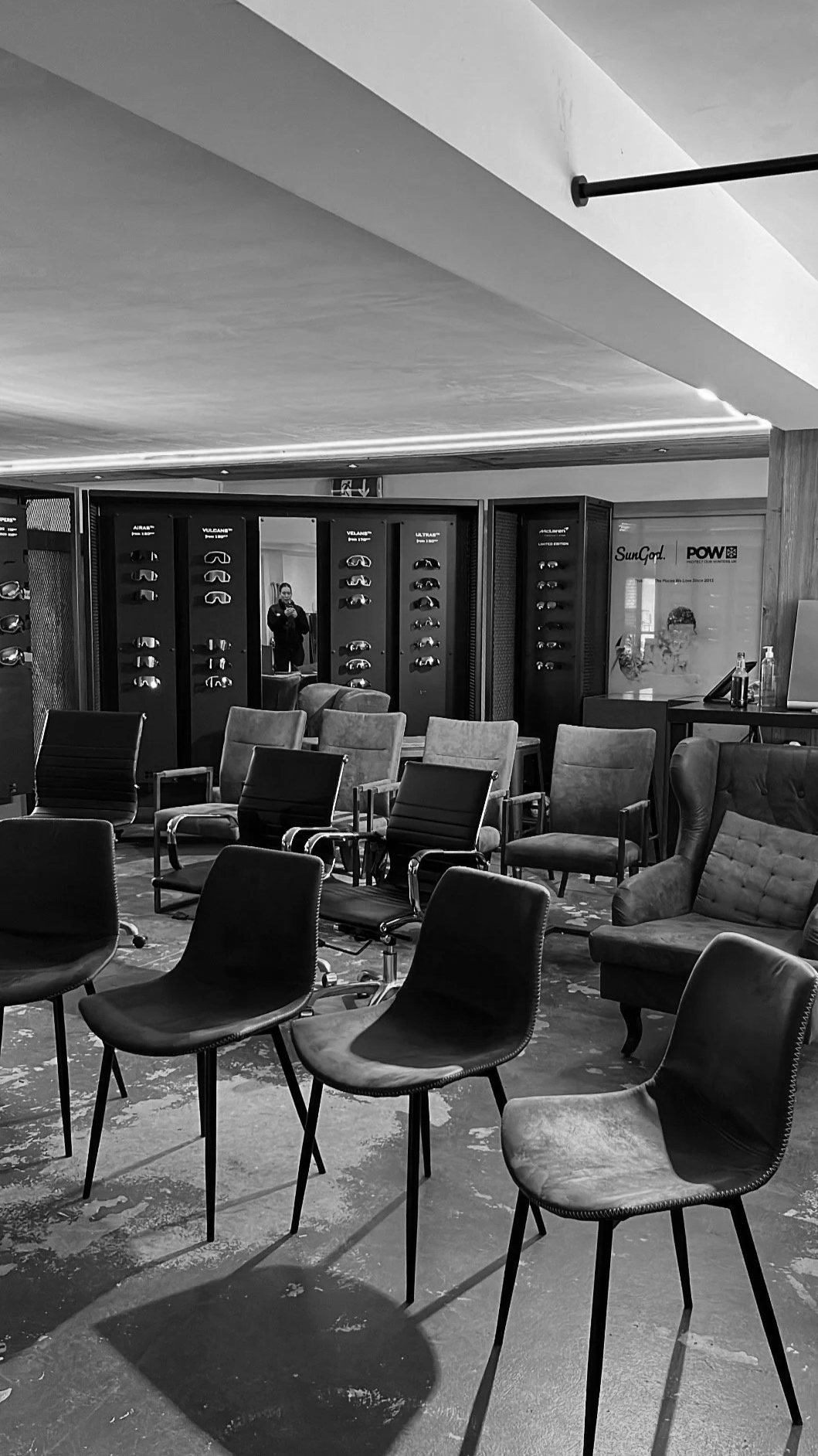
SunGod, Verbier
Verbier, Switzerland